Source Wall Mounted E Bike Charging Pile for Home, Commercial, and Public Use
Find 30 wall mounted e bike charging pile options featuring 6.6kW to 22kW power ratings. Compare models with 4G, Bluetooth, and WiFi connectivity, IP54 protection, and RFID or APP start modes for private and commercial applications; compare the available evidence and request quotations based on your requirements.
Key considerations
Products List


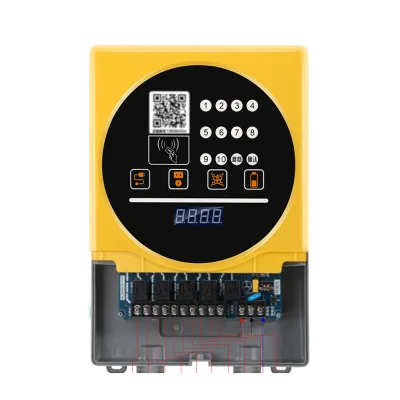
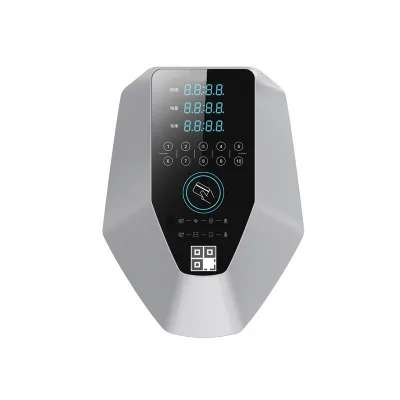


Comprehensive Sourcing Guide
Wall Mounted E Bike Charging Pile Sourcing Guide
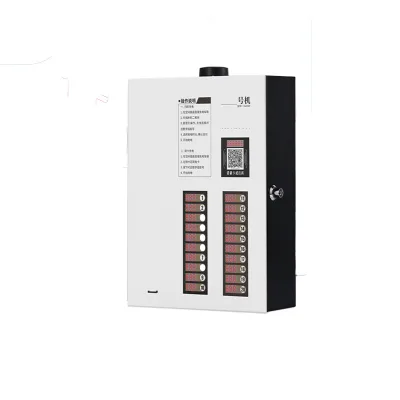
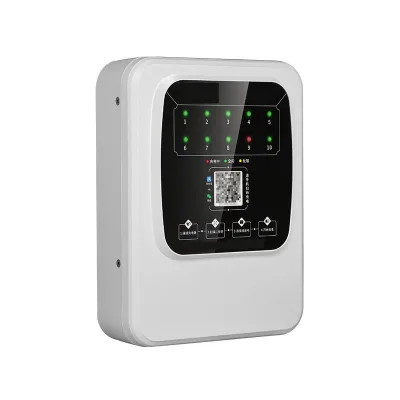
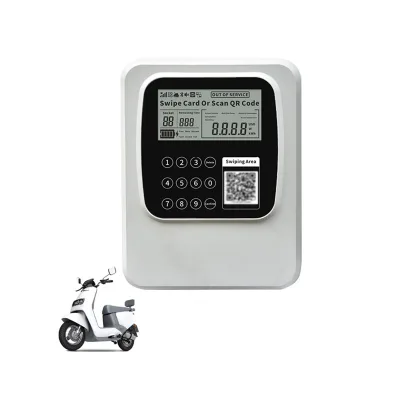
Sourcing wall-mounted electric bicycle charging piles requires a clear understanding of the diverse product landscape available in the global market. Buyers must distinguish between units designed for private residential use and those engineered for high-traffic commercial environments. The observed product range spans from single-interface chargers suitable for home garages to multi-port units capable of serving multiple bicycles simultaneously in public spaces. This distinction is critical because it dictates the necessary power output, communication capabilities, and physical durability required for the specific deployment scenario.
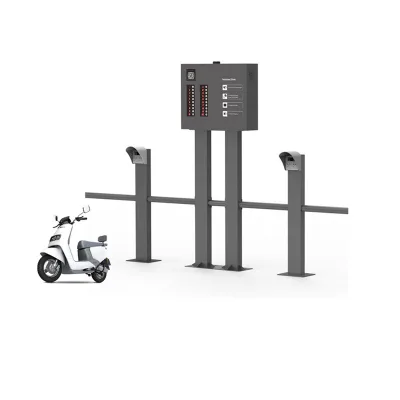
Procurement teams should also evaluate the installation method and form factor to ensure compatibility with existing infrastructure. While many units are explicitly designed for wall mounting to save floor space, some models offer flexible installation options that include ground-standing configurations. Understanding these physical constraints early in the sourcing process helps prevent logistical errors during deployment. Additionally, the variety of colors and sizes available allows for better aesthetic integration into different architectural styles, whether in a modern apartment complex or a traditional retail setting.
Product Scope and Observed Listing Signals
The current market offers a wide array of wall-mounted e-bike chargers with varying specifications and price points. Observed listings indicate a price range from approximately $30 to $980, reflecting differences in power capacity, smart features, and build quality. The minimum order quantity (MOQ) typically ranges from one to twenty units, providing flexibility for both individual buyers and large-scale commercial installations. This variability allows procurement managers to scale their orders according to immediate needs without being locked into excessive inventory commitments.
Key attributes observed in the market include support for multiple start modes such as RFID cards, remote controls, and mobile app connectivity. These features are particularly valuable for commercial operators who need to manage access and track usage data. Furthermore, the presence of various charging interfaces, from single-port to multi-port configurations, addresses different user densities. Buyers should carefully review the listed power ratings, which often range from 3.5 kW to 22 kW, to ensure the selected unit matches the electrical capacity of the installation site.
Technical Specifications to Verify
When evaluating technical specifications, buyers must prioritize input and output voltage compatibility to ensure safe and efficient operation. Most observed units operate on AC 220V with a tolerance of +/-15% and a frequency of 50Hz, which is standard in many regions. However, it is essential to verify that the charger’s output voltage matches the battery requirements of the e-bikes being charged. Mismatches in voltage or frequency can lead to charging inefficiencies or potential damage to the vehicle’s battery management system.
Communication capabilities are another critical technical factor, with many modern chargers supporting 4G, Bluetooth, and WiFi connections. These connectivity options enable remote monitoring, firmware updates, and user authentication, which are vital for commercial deployments. Additionally, the standby power consumption should be checked, with many units consuming less than 5W in idle mode. This low standby draw helps minimize energy waste and reduces operational costs over the long term, making it a significant consideration for eco-conscious procurement strategies.
Compliance and Safety Documentation
Safety is paramount when sourcing electrical charging equipment, and buyers must verify that products meet relevant international standards. Many suppliers provide certifications such as ISO9001, ISO14001, and ISO45001, which indicate adherence to quality, environmental, and occupational health management systems. While these certifications do not directly certify the product’s electrical safety, they reflect the manufacturer’s commitment to consistent production quality and responsible business practices. Buyers should request specific product safety test reports to confirm compliance with local electrical codes.
Leakage protection is a crucial safety feature that must be clearly specified in the product documentation. Observed units often include leakage protection mechanisms rated at AC 30mA and DC 6mA, or simply AC 30mA, to prevent electrical shocks. The IP rating, such as IP54, indicates the level of protection against dust and water ingress, which is essential for outdoor or semi-outdoor installations. Ensuring that the charger has appropriate ingress protection and leakage safeguards minimizes the risk of accidents and liability issues for the end-user.
Cost Drivers and Commercial Terms
Several factors influence the final cost of wall-mounted e-bike charging piles, including power output, smart features, and build materials. Higher power units, such as those rated at 7 kW or 22 kW, generally command higher prices due to the increased complexity of their internal components. Additionally, chargers with advanced features like large LCD screens, dynamic load balancing, or CT meter integration may be priced higher than basic models. Buyers should assess which features are truly necessary for their use case to avoid overpaying for unnecessary capabilities.
Commercial terms such as warranty coverage and packaging details also play a role in the total cost of ownership. Most observed products come with a 12-month warranty, which provides a baseline level of protection against manufacturing defects. Packaging varies from simple cartons to more robust solutions involving bubble wrap and air column bags, which can affect shipping costs and the risk of damage during transit. Understanding these commercial terms helps buyers calculate the true landed cost and plan for potential maintenance or replacement expenses.
Supplier Qualification and Quality Control
Evaluating supplier qualifications is a critical step in ensuring the reliability of the sourced charging piles. Buyers should verify the supplier’s production capabilities and quality control processes, looking for evidence of standardized manufacturing procedures. The presence of ISO certifications suggests that the supplier has implemented systematic approaches to quality management, which can lead to more consistent product performance. However, buyers should also conduct their own due diligence by reviewing the supplier’s track record and customer feedback.
Quality control measures should extend beyond the factory floor to include pre-shipment inspections and testing protocols. Buyers may request samples to verify the physical dimensions, such as the 300mm width or 260mm width options, and to test the functionality of communication interfaces. Additionally, checking the packaging standards, such as the use of master carton boxes or plastic bags with inner boxes, can provide insights into the supplier’s attention to detail. A supplier that prioritizes robust packaging is more likely to deliver products in good condition, reducing the risk of returns or disputes.
Long-Term Procurement Checks
Long-term procurement success depends on the availability of after-sales support and spare parts. Buyers should inquire about the supplier’s policy for handling warranty claims and the availability of replacement components such as cables or control boards. A reliable supplier should have a clear process for addressing defects and providing technical assistance, which is essential for maintaining operational continuity in commercial settings. Establishing a direct line of communication with the supplier’s support team can help resolve issues quickly and minimize downtime.
Furthermore, buyers should consider the scalability and future-proofing of the chosen charging solutions. As e-bike technology evolves, chargers with software-updatable firmware and modular designs may offer greater longevity. Evaluating the supplier’s ability to provide product updates or new models can ensure that the investment remains relevant over time. Additionally, monitoring market trends and technological advancements can help buyers make informed decisions about when to upgrade or expand their charging infrastructure, ensuring a sustainable and efficient procurement strategy.
FAQs
How can I control the wall mounted e bike charging pile?
You can control the unit using an RFID card, remote control, or APP control. These start modes offer flexible access for different users. The system supports 4G, Bluetooth, and WiFi communication to ensure reliable connectivity during operation.
What certifications do these charging piles hold?
The products hold ISO9001, ISO14001, and ISO45001 certifications. These standards confirm quality management, environmental responsibility, and occupational health safety. Such documentation ensures the units meet international safety and operational requirements for commercial deployment.
Which installation types are available for this charger?
The charger supports both wall mounted and floor type installations. You can choose between wall or ground mounting based on your site layout. This flexibility allows for versatile deployment in various commercial or private use scenarios.
Can the unit handle multiple charging interfaces?
Yes, the system offers a one pile with multiple charges configuration. Some models provide dual charging capabilities while others support single charge interfaces. This adaptability helps manage different user needs within a single compact unit effectively.
What is the warranty period for the product?
The product comes with a standard 12-month warranty period. This coverage protects against manufacturing defects and ensures reliability during the initial operational phase. Buyers should verify specific terms with the supplier for detailed service conditions.
How much power does the charger consume in standby?
The standby power consumption is less than or equal to 5 watts. This low energy usage ensures efficiency when the unit is not actively charging. It helps reduce overall operational costs for facilities deploying multiple units.
What is the IP rating for outdoor protection?
The unit features an IP 54 rating for dust and water resistance. This protection level allows safe operation in various weather conditions. It ensures durability for both commercial and family use scenarios in different environments.